Welcome To The Plant-Based Future!
Plant-based food technology is an exciting and rapidly growing field that is revolutionizing the way we think about food. With advancements in technology, scientists and innovators are finding new and innovative ways to create plant-based foods that look, taste, and feel like traditional meat and dairy products. From plant-based burgers to vegan cheese, plant-based food technology is expanding our culinary horizons and offering a more sustainable and ethical way to eat.
The Steak Without A Moo…
One of the most significant advancements in plant-based food technology is the development of meat alternatives that closely mimic the taste, texture, and appearance of meat. Companies such as Beyond Meat and Impossible Foods have created plant-based burgers that look, cook, and taste like traditional beef burgers. Using a combination of plant proteins, fats, and other ingredients, these companies have been able to create a product that is virtually indistinguishable from meat. The success of these products has led to a surge in demand for plant-based meat alternatives, with many people opting to reduce their meat consumption for health, environmental, and ethical reasons.
Dairy Is Going Nuts.
Plant-based food technology is not limited to meat alternatives, however. Innovators in the field are also creating plant-based versions of traditional dairy products such as cheese, yogurt, and ice cream. Companies such as Miyoko’s Creamery and Kite Hill are using ingredients such as cashews and almonds to create delicious and creamy vegan cheese, while brands like So Delicious and Oatly are using oats and other plant-based ingredients to make vegan yogurt and ice cream. These products are not only better for the environment and animal welfare but can also be healthier than their traditional dairy counterparts, as they often contain fewer saturated fats and cholesterol.
The Next Generation Of Protein
Another area of plant-based food technology that is gaining traction is the use of fermentation to create plant-based products. Fermentation is a process that involves the use of microorganisms such as bacteria or yeast to break down food molecules and create new compounds. This process can be used to create plant-based meat alternatives, such as the products developed by companies like Perfect Day and Clara Foods, which use fermentation to create animal-free dairy products such as milk and eggs. These products are not only more sustainable and ethical but can also offer health benefits, as they often contain less saturated fat and cholesterol than traditional dairy products.
It’s Easier To Move Around Now.
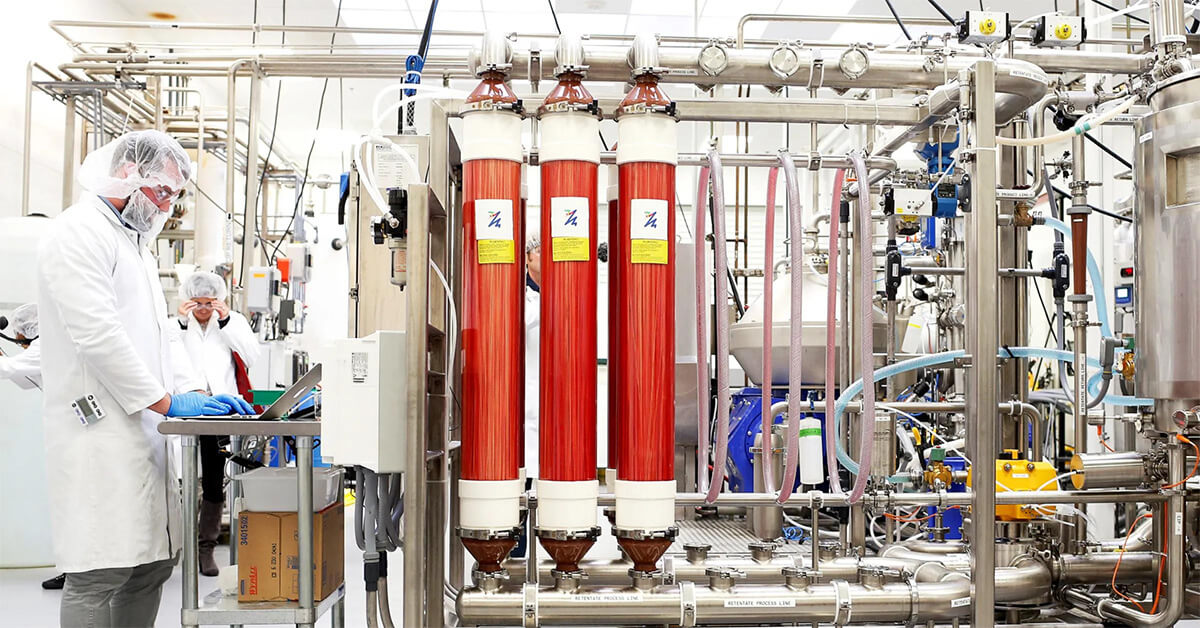
In addition to creating new plant-based products, plant-based food technology is also improving the production and distribution of plant-based foods. Advances in plant-based food processing, packaging, and storage are making it easier to produce and distribute plant-based products on a larger scale. This can help to make plant-based foods more affordable and accessible, making it easier for people to adopt a plant-based diet.
Healthier People, Happier Animals, Safer Planet
The benefits of plant-based food technology are numerous. Not only can it help to reduce the environmental impact of agriculture and improve animal welfare, but it can also offer health benefits to consumers. Plant-based diets have been linked to a reduced risk of chronic diseases such as heart disease, diabetes, and certain cancers. Plant-based foods are also often lower in calories and saturated fats than traditional meat and dairy products, making them a healthier option for those looking to lose weight or improve their overall health.
Too Good To Be True? You Decide.
However, there are also some concerns surrounding plant-based food technology. Critics argue that some plant-based products are highly processed and contain additives and other ingredients that may not be as healthy as whole plant foods. There are also concerns about the long-term health effects of consuming large amounts of plant-based meat alternatives, as some of these products can be high in sodium and saturated fats.
Additionally, some people may have allergies or intolerances to certain plant-based ingredients, such as soy or nuts, which can limit their ability to consume these products. It is important for consumers to read ingredient labels and choose products that align with their dietary needs and preferences.
The Evolution Will Be Televised.
Despite these concerns, the plant-based food technology industry is continuing to grow and evolve. As more people become aware of the environmental and ethical implications of their food choices, the demand for plant-based products is likely to continue to rise. The industry is also likely to see continued innovation and advancements in technology, which could lead to even more realistic and delicious plant-based products in the future.
Plant-based food technology has the potential to transform the food industry and help to create a more sustainable and ethical food system. By using innovative techniques and ingredients, scientists and innovators are creating products that are better for the environment, animal welfare, and human health. Whether you are a committed vegan or simply looking to incorporate more plant-based foods into your diet, there has never been a better time to explore the world of plant-based food technology.